How Businesses Can Scale Content Production Efficiently
As content demand continues to grow, many businesses struggle to keep up without overloading their internal teams. Scalable content production offers a more efficient way to increase output while maintaining consistency and control.

Social Speed
AI Powered

Table of contents
Share
When content demand outgrows internal capacity
Marketing teams today are expected to produce more than ever. More campaigns, more formats, and faster delivery across multiple platforms.
Instead of treating every asset as a separate project, more companies are moving toward scalable content systems that allow them to produce content efficiently and consistently.
This shift is happening at the same time that AI tools are becoming more common in marketing. Research shows that around 80% of marketers now use AI for content creation and 75% use it for media production, reflecting how quickly content operations are evolving.
(hubspot.com)
Why modern marketing requires more content
Brands today need a steady stream of content across channels such as social media, digital ads, websites, and video platforms.
Video in particular has become a major focus for marketing investment. Industry reports show that digital video ad spending continues to grow rapidly and is projected to exceed $70 billion in the U.S. alone.
(iab.com)
For businesses, this means content is no longer just supporting marketing campaigns. It is a core part of brand visibility and growth.
The real bottleneck is often production
Many teams do not lack ideas. Instead, they face challenges with the production process itself.
Common issues include:
limited internal design and editing capacity
slow production cycles
difficulty creating multiple variations
inconsistent output across channels
When every new asset requires starting from scratch, scaling becomes difficult and time consuming.
What scalable content production actually means
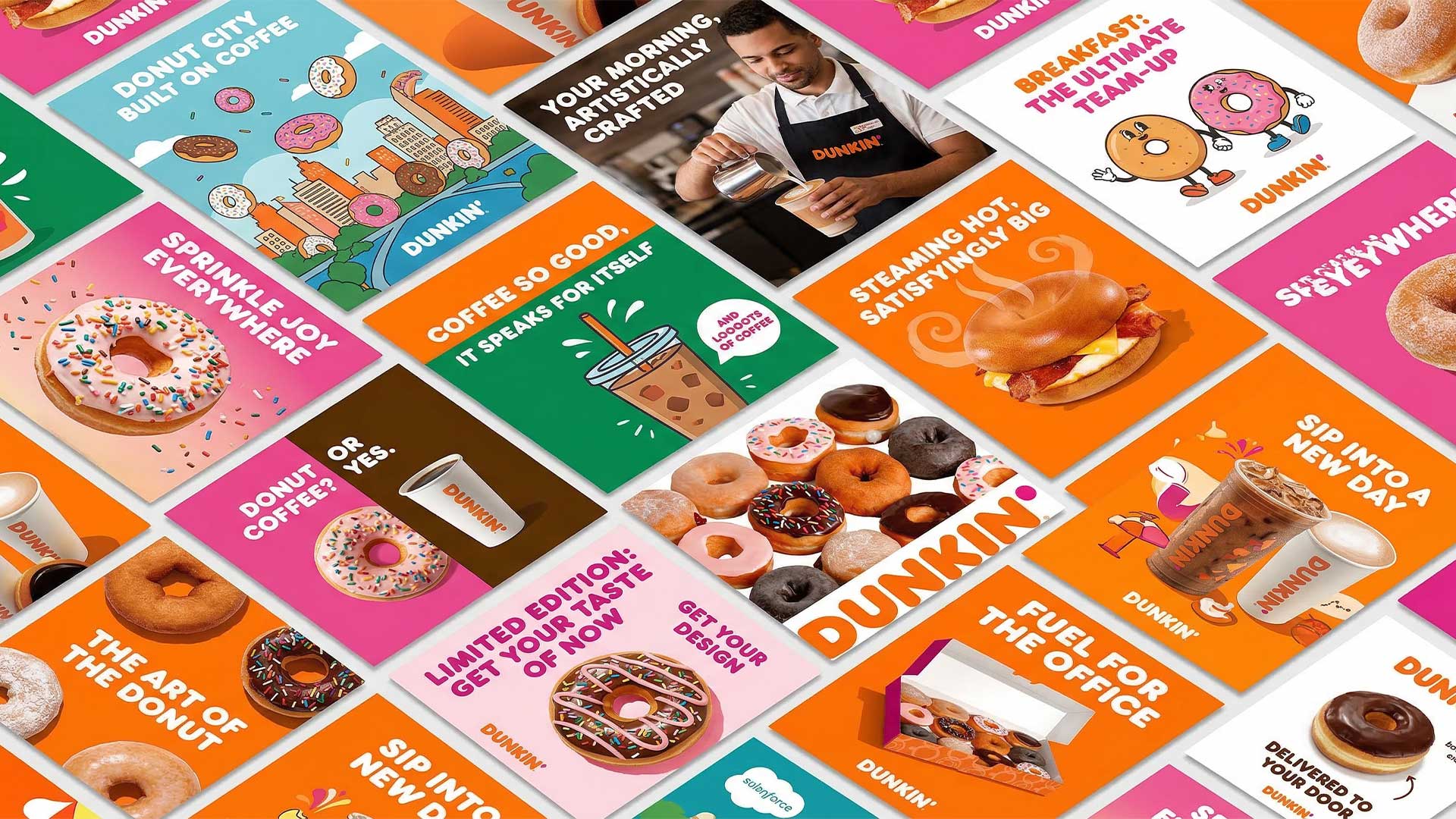
Scalable content production focuses on building workflows that turn one creative concept into multiple usable assets.
For example, one production cycle can generate:
ad creative variations
social media assets
motion graphics
video cutdowns
platform specific formats
The goal is not simply producing more content. The goal is producing more useful content with less friction.
How Socialspeed supports scalable production
Socialspeed helps businesses produce digital content such as video, motion graphics, and images at scale using structured workflows supported by AI.
This allows teams to:
increase output without expanding internal teams
create more creative variations
maintain consistent content delivery
reduce manual production work
By improving the production process itself, companies can scale marketing content in a way that is more sustainable over time.
Conclusion
Content demand is growing across nearly every digital channel. Businesses that build scalable production systems today will be better prepared to keep up with that demand tomorrow.
With structured workflows and AI supported production, companies can increase output while keeping quality, consistency, and efficiency in place.